Updated November 2025: This post has been revised and expanded with new insights.
For months, I’ve been thinking about a solo exhibition. Not just thinking—imagining it. My black and white photographs on gallery walls, each one framed and lit, creating a space where visitors can pause and breathe. It’s exciting. It’s also a little intimidating.
After participating in a group exhibition, I learned a lot about what goes into presenting work in a gallery setting. This post is about how I’d approach planning my next solo show, drawing on those experiences and the vision I have for it.
Choosing the Images
The process would begin by going through my entire archive. Every image would get a critical look and a star rating. But rating individual photos is only the first step. The real work is figuring out how they talk to each other.
Do these images belong together? Is there a thread that connects them—not just visually, but emotionally? For a future exhibition, I’d want to create a sense of stillness and contemplation. Minimalist landscapes that invite viewers to slow down and notice the quiet details.
But I’d also need variety. If every image whispers the same thing, the exhibition becomes monotonous. Some photographs should feel expansive and open, others more intimate and introspective. The rhythm matters.
First Impressions and Last Words
I’ve been thinking a lot about the first and last images visitors would see. The opening photograph needs to be welcoming—something that draws people in without demanding too much. It sets the tone for everything that follows.
The closing image is just as important. It should be memorable, something that stays with visitors as they leave. Not necessarily dramatic, but resonant. The kind of photograph that makes you pause one more time before stepping back into the world.
How to Present the Work
Presentation has always been part of the work for me. The photograph itself is only the beginning—how you print it, mat it, and frame it shapes the entire experience. The same image can feel completely different depending on these choices.
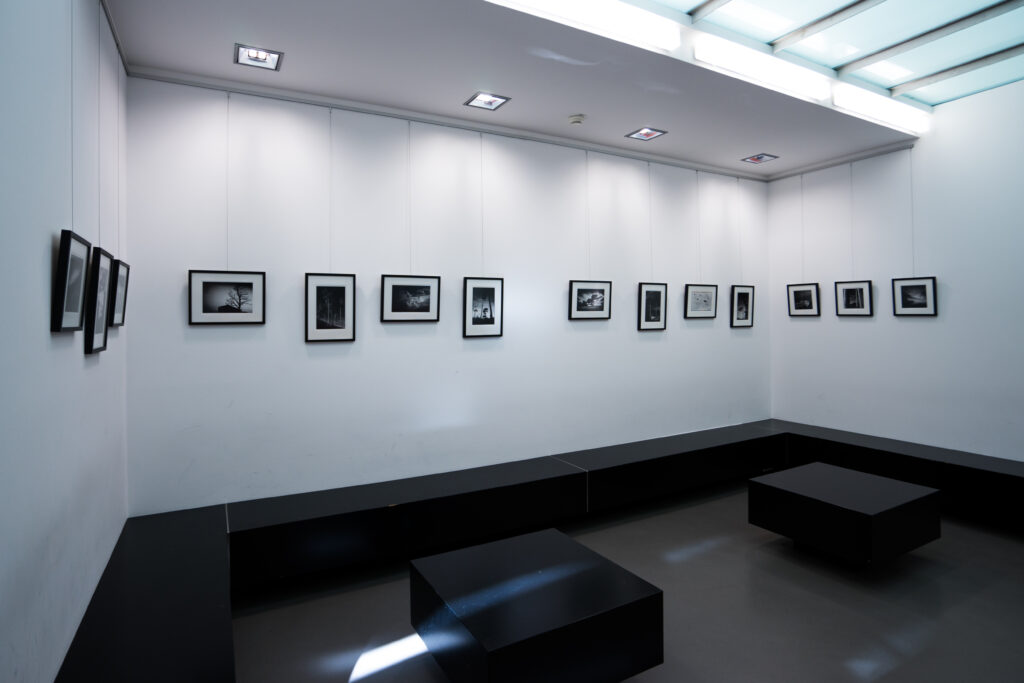
For a solo exhibition, I’d print on fine art matte paper with a subtle texture. It enhances the depth of blacks and preserves the delicate transitions between tones. Each print would have a white mat with a slight bevel—simple, clean, giving the image room to breathe. The frames would be black with a narrow profile. Nothing that competes with the photographs themselves.
These choices aren’t arbitrary. They’re about creating consistency across the exhibition while letting each image stand on its own.
The Space Itself
A gallery isn’t just a container for photographs. It’s part of the experience. Working with a floor plan would help figure out the flow—how visitors move through the space, where they pause, how the images relate to each other across the room.
Some photographs could be grouped by theme or location. Others might create visual echoes—similar compositions or contrasting moods placed in dialogue. The goal would be to create a rhythm that feels natural, not forced.
The walls would be neutral—white or light gray—so the photographs can hold focus without distraction. Spacing matters too. Give images too little room and the exhibition feels cramped. Too much, and they feel isolated.
Promoting the Exhibition
When the time comes, promotion would be essential. Instagram would be ideal for sharing the process—behind-the-scenes preparation, selected images, exhibition details. An email newsletter would reach people who’ve followed my work for a while.
Press releases to local newspapers, art blogs, and radio stations could increase visibility. And an opening reception—refreshments, music, a chance for people to connect with the work and with each other—would help create momentum.
Opening Night
The opening reception deserves careful thought too. I’d want to say a few welcoming words—not a formal speech, but something genuine. A thank you to the people who made the exhibition possible: the gallery, anyone who helped with preparation, and of course, the visitors for coming. I’d briefly share what the work is about—the themes of stillness and minimalism that run through the images—without over-explaining. Keep it short so people can enjoy the space.
And practically: make sure everyone knows there are drinks and refreshments to enjoy, and that all photographs are available for purchase. I’d also make myself available throughout the evening to chat with visitors—to hear their thoughts, answer questions, or simply connect over the work. These conversations often become the most memorable part of the night.
Looking Ahead
Planning a solo exhibition involves countless decisions, from image selection to installation. It’s demanding work, but after experiencing a group show, I feel more prepared for what it takes.
These are the lessons I’m carrying forward. When the next opportunity comes, I’ll have a clear vision of how to approach it—and hopefully, this reflection is useful for anyone else thinking about their first solo exhibition.